

Within today's rapidly growing world, the significance of utility surveys cannot be under estimated. As urban panoramas expand and system projects become more and more complex, understanding the particular location and problem of underground utilities is essential for successful development. Energy surveys serve while a vital instrument for engineers, organizers, and construction specialists, providing critical data that can preserve some resources when ensuring safety.
From stopping unnecessary construction delays to enhancing open public safety, utility studies play a essential role in a variety of sectors. Find more information are foundational to urban organizing, disaster preparedness, and even sustainable development endeavours. This guide is designed to uncover the particular intricacies of energy surveys, offering observations into their relevance, technologies, and best practices, helping you find their way the underground surroundings with full confidence.
The Importance of Utility Studies in Infrastructure Growth
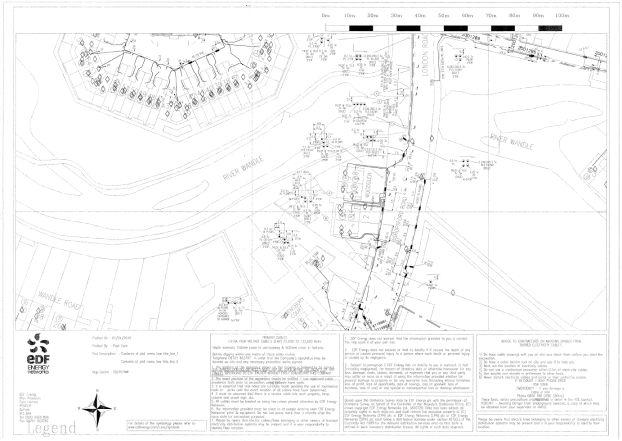
Utility surveys play a vital role in infrastructure enhancement by providing essential information about existing subterranean utilities, including drinking water, electricity, gas, and telecommunications. Before virtually any construction begins, knowing the location and depth of such utilities ensures that planners and contractors can design and carry out projects without disrupting essential services. This preemptive knowledge inhibits potential hazards and even costly mistakes that can arise from unintentional utility strikes, helping to foster a safer work environment.
In improvement to enhancing security, utility surveys give rise to efficient project duration bound timelines. By identifying the presence and current condition of underground utilities earlier in the planning stages, developers could make informed selections about routing in addition to construction methods. This specific foresight helps you to minimize construction delays, which often not only will save you time but in addition reduces overall project costs. The the usage of utility study data into project planning is important regarding maintaining schedules in addition to meeting deadlines.
Moreover, electricity surveys are important in achieving sustainable development goals. These people enable urban organizers and engineers in order to work with existing infrastructure rather compared to against it, marketing more efficient property use and resource management. Accurate umschlüsselung and understanding associated with utilities encourage the particular development of wise cities, where technologies and data-driven decision-making lead to increased living conditions and environment protection. As facilities demands grow, the particular importance of energy surveys will just increase, necessitating their incorporation into all stages of advancement.
Modern technology and The Impact on Energy Surveys
The integration involving modern technology into energy surveys has changed distinguishly how underground property are mapped and managed. Techniques this kind of as Ground Infiltrating Radar (GPR), electromagnetic induction, and 3D scanning have considerably enhanced the precision and efficiency involving locating utilities. These kinds of technologies allow surveyors to visualize subsurface conditions in true time, reducing the reliance on older, less accurate procedures. As a effect, construction planners in addition to engineers can create informed decisions based on precise area data, which allows mitigate risks throughout excavation.
Moreover, the work with of drones inside utility surveys has transformed the potential for info collection. Drones equipped with high-resolution digital cameras and sensors can quickly cover large places, capturing detailed images and mapping info from above. This kind of capability is specifically useful in city environments where gain access to might be limited. https://squareblogs.net/beautybrace89/area-code-the-underground-the-essential-guide-to-electricity-surveys of views given by drone technological innovation enable surveyors to be able to plan better plus identify potential disputes before they become issues in the grass, finally leading to safer and more successful project execution.
The continuing development of Geographic Information Systems (GIS) is another video game changer for electricity surveys. By adding survey data straight into GIS platforms, stakeholders can analyze plus visualize information throughout a more meaningful way. This incorporation supports better decision-making by providing a comprehensive view regarding the utility landscape, helping urban planners develop strategies that will consider existing system and future needs. As these technology still evolve, that they will play the increasingly vital position in how utility surveys are performed, leading to superior outcomes in infrastructure development and maintenance.
Best Practices with regard to Conducting Effective Utility Surveys
To conduct effective utility surveys, it is very important to prioritize complete planning and planning. This involves comprehending the specific demands of the task, including the type of utilities included and the geographical area to always be surveyed. Engaging using stakeholders early upon can help simplify any unique issues or considerations which could arise. Additionally, utilizing a checklist can help ensure that all essential tools, permits, in addition to regulations are resolved before starting the survey.
Using advanced technologies can easily significantly enhance the accuracy and performance of utility studies. Techniques such as ground-penetrating radar, electromagnetic introduction, and 3D umschlüsselung offer precise information collection and visual images of subsurface utilities. It's necessary to stay updated on the most current technological advancements within the field plus to select resources that best suit typically the survey’s requirements. Integration with Geographic Details Systems (GIS) could further improve information interpretation and provide valuable insights for task planning.
Finally, ensuring correct training and competence within the survey team can greatly impact the quality of the final results. Constant education on ideal practices, safety protocols, and emerging solutions is vital. Frequently reviewing survey final results and learning through past projects can also help in refining methods plus addressing any weak points. By adhering in order to these guidelines, clubs can conduct electricity surveys not only meet project needs but also lead to overall safety and even efficiency in structure and infrastructure enhancement.